

What Is the Average Slip and Fall Settlement Amount?
Most slip and fall cases are estimated to settle in the range of $10,000 to $50,000, though more serious cases can reach $100,000 to $500,000 or more. There is no fixed average that applies to every case, because each settlement depends on the injury, the costs it caused, and how clearly fault can be shown.
Here is a general breakdown based on injury severity*:
| Severity | Estimated Range | Examples |
|---|---|---|
| Minor | $10,000 to $25,000 | Sprains, strains, bruising, and other soft tissue injuries that heal with limited treatment |
| Moderate | $25,000 to $100,000 | Simple fractures, torn ligaments, and injuries that need physical therapy or several months to heal |
| Severe | $100,000 to $500,000+ | Injuries that require surgery, such as broken hips or herniated discs, and brain injuries with lasting effects |
*These ranges are estimates, not guarantees. The true value of your case depends on the specific facts and the strength of your claim. Contact us today and one of our attorneys will be able to provide an estimate for how much your settlement could be worth.
Average Settlement Amount by Injury Type
While every case is different, certain injuries tend to fall within similar settlement ranges. The table below shows estimated ranges for common slip and fall injuries and what can move a claim higher or lower:
| Injury Type | Estimated Settlement Range | Key Factors That Affect Value |
|---|---|---|
| Knee injuries (ACL, meniscus tears) | $30,000 to $150,000 | Whether surgery was needed, long-term mobility problems, and aggravation of prior joint issues |
| Herniated disc and back injuries | $50,000 to $250,000 | Injections or surgery, chronic pain, and lasting limits on work or daily activities |
| Broken hip | $75,000 to $300,000 | Surgery, hospital stays, extended rehabilitation, and the person’s age |
| Broken arm, wrist, or ankle | $25,000 to $150,000 | Severity of the fracture, need for surgery, recovery time, and lasting pain or reduced function |
| Head injuries and concussions | $50,000 to $300,000 | Cognitive symptoms, long-term effects on work and daily life, and whether the injury becomes part of a traumatic brain injury claim |
| Shoulder injuries (rotator cuff tears) | $30,000 to $200,000 | Surgery, lengthy physical therapy, and reduced range of motion |
| Soft tissue and minor injuries | $10,000 to $25,000 | Recovery time and whether symptoms last longer than expected or affect your job |
Knee Injuries
Knee injuries from slip and falls often include torn ligaments, meniscus tears, dislocations, and aggravation of pre-existing joint problems. Cases involving surgery or long-term mobility issues usually settle for more than injuries that heal with conservative treatment alone.
Herniated Disc
A herniated or bulging disc can lead to significant settlement value because back injuries often cause ongoing pain, reduced mobility, and extended treatment. If the injury requires injections, surgery, or results in lasting limitations, the claim is typically worth more.
Broken Hip
Broken hip injuries are among the most serious slip and fall claims, especially for older adults. Because these cases often require surgery, hospitalization, and extensive rehabilitation, they frequently result in higher settlement amounts.
Broken Arm / Wrist / Ankle
Fractures to the arm, wrist, or ankle are common in fall cases and can range from relatively straightforward injuries to severe breaks requiring surgery. Settlement value usually depends on the severity of the fracture, recovery time, and whether the injury causes lasting pain or reduced function.
Head and Concussion Injuries
Head injuries can be especially serious because symptoms are not always obvious right away. Concussions, traumatic brain injuries, and lingering cognitive symptoms often increase settlement value due to their long-term impact on work, daily life, and overall health.
Shoulder Injuries
Shoulder injuries (especially rotator cuff tears) can be painful, slow to heal, and sometimes require surgery or lengthy physical therapy. Claims involving reduced range of motion or chronic pain often settle for more.
Soft Tissue / Minor Injuries
Soft tissue injuries include sprains, strains, bruising, and similar “minor” injuries. While these claims usually settle on the lower end, the value may increase if symptoms last longer than expected or interfere with work and daily activities.
Slip and Fall Settlements Long & Long Has Recovered
Past results do not guarantee a similar outcome, but they show the kinds of premises cases our slip and fall attorneys have handled for clients in Alabama:
| Amount | Case Type | Location |
|---|---|---|
| $500,000 | Premises Liability | Escambia County, Alabama |
| $500,000 | Premises Liability, Personal Injury | Baldwin County, Alabama |
| $400,000 | Slip and Fall | Alabama |
| $275,000 | Slip and Fall | Baldwin County, Alabama |
| $275,000 | Slip and Fall | Alabama |
| $110,000 | Premises Liability | Baldwin County, Alabama |
| $100,000 | Slip and Fall | Alabama |
| $50,000 | Slip and Fall | Mobile County, Alabama |
| $50,000 | Premises Liability | Orange Beach, Alabama |
What Affects the Value of a Slip and Fall Settlement?
No two slip and fall cases are exactly alike. These factors shape both the size of your losses and the strength of your claim:
- Severity of your injuries: Serious injuries usually lead to higher settlements, and it is best not to settle until you reach maximum medical improvement, when your future medical needs are clear.
- Medical expenses, past and future: Emergency care, surgery, physical therapy, medications, and expected future treatment all count toward your claim.
- Lost wages and earning capacity: Time missed from work and any long-term effect on your ability to earn income can be included.
- Pain and suffering: Insurers often value pain and suffering using a multiplier of your medical costs or a daily rate.
- Strength of your evidence: Incident reports, surveillance video, photos of the hazard, witness statements, and inspection records help show what happened.
- Available insurance coverage: The property owner’s policy limits can affect how much is available to pay your claim.
- Where the fall happened: Claims against a city or county have special notice rules and a damages limit.
These losses fall into the types of damages available in Alabama personal injury cases, including economic and non-economic damages. Punitive damages are rare in slip and fall cases, because they require clear and convincing evidence of wantonness, malice, fraud, or oppression, not just carelessness.
How Fault Affects Your Slip and Fall Settlement in Alabama
Fault is often the most disputed part of a slip and fall claim. In Alabama, two rules shape how fault is decided.
The Property Owner Must Have Known About the Hazard
Falling on someone else’s property does not automatically mean the owner was negligent. You generally need to show the owner knew about the dangerous condition or should have known about it through reasonable inspections. As a federal appeals court applying Alabama law explained in a case against a major retailer, notice is critical because a property owner’s responsibility rests on its superior knowledge of the danger.
Evidence like inspection logs, cleaning schedules, surveillance video, and prior complaints can show how long a hazard was there and whether the owner had a fair chance to fix it.
Alabama’s Contributory Negligence Rule
Alabama follows a strict fault rule known as contributory negligence. If an insurer can show you were partly responsible for your fall, it may affect your ability to recover compensation. That is why insurance companies often look for ways to shift some of the blame to you.
This rule does not mean you do not have a case. Many slip and fall claims are successful because the evidence shows the property owner created the hazard or failed to fix it.
Arguments Insurers May Use
It helps to be prepared for the arguments insurers commonly raise, such as:
- You were not paying attention to where you were walking
- You ignored a warning sign
- You were wearing improper footwear
- The hazard was “open and obvious,” meaning a reasonable person would have seen and avoided it
The open and obvious argument is a separate defense from contributory negligence, and it often depends on lighting, the location of the hazard, and whether anything drew your attention away from it. Photos, video, and witness statements can help answer these arguments.
Common Slip and Fall Locations and How They Affect Your Case
Slip and fall accidents can happen almost anywhere. Where your accident happened can affect who is responsible, what evidence is available, and how your claim is handled.
Grocery Stores and Supermarkets
Grocery stores are one of the most common places for slip and fall accidents because of spills, leaks, and freshly mopped floors. Large stores usually have surveillance cameras, incident report procedures, and corporate insurance.
How it affects your case: Video footage can show how long a spill was on the floor, which can help prove the store should have known about it. Large retailers also have experienced claims teams, so strong evidence is important.
Restaurants and Fast Food Chains
Restaurants often see falls caused by food spills, grease, and wet floors in busy areas.
How it affects your case: These cases often depend on how quickly staff responded to the hazard and whether warning signs were used.
Retail Stores
Retail stores can have cluttered aisles, fallen merchandise, loose mats, and damaged flooring.
How it affects your case: Like grocery stores, these cases often involve surveillance video and corporate insurers, so preserving footage early can make a difference.
Parking Lots and Sidewalks
Parking lots and walkways can be dangerous because of uneven pavement, potholes, poor lighting, and debris.
How it affects your case: Responsibility may fall on a property owner, tenant, maintenance company, or government entity, depending on who controls the area. Identifying the right party early helps protect your claim.
Hotels and Resorts
Hotels and resorts see falls near pools, in lobbies, on stairs, and along walkways. Guests are considered invitees under Alabama law, which means the owner must use reasonable care to keep the property safe.
How it affects your case: Clear evidence that the hotel ignored a known hazard can strengthen your claim, and these properties usually carry commercial insurance.
Gas Stations and Convenience Stores
Gas stations can have oil and fuel spills, uneven pavement, and poor drainage.
How it affects your case: These cases often turn on whether the business regularly inspected and maintained the property, so maintenance records can be important evidence.
Government Property (Sidewalks, Public Buildings)
Falls can happen on poorly maintained public sidewalks or in government buildings. However, a city or county is not automatically responsible for every sidewalk injury. Liability depends on who was responsible for maintaining the area, whether they knew or should have known about the dangerous condition, and whether they failed to address it.
Claims against government entities also follow special rules. A claim against a city generally requires written notice within 6 months, and a claim against a county requires notice within 12 months, which is much sooner than the usual two-year deadline.
How it affects your case: Determining who was responsible for maintaining the sidewalk can affect which party you pursue for compensation. Missing a required notice deadline can also prevent a claim, and damages against a government entity are generally limited to $100,000 per person.
Private Residences and Apartment Complexes
Falls at private homes and apartment complexes often involve broken stairs, loose railings, poor lighting, or other unaddressed hazards. These claims are usually paid through the owner’s homeowners or property insurance.
How it affects your case: These cases typically depend on whether the owner or landlord knew or should have known about the dangerous condition.
Mistakes That Can Lower Your Slip and Fall Settlement
Avoidable mistakes can reduce the value of a strong claim. Here are some of the most common:
- Settling too quickly: Early offers are often made before the full extent of your injuries is known, and once you accept, you usually cannot ask for more.
- Delaying medical treatment: Prompt treatment creates a record that links your injuries to the fall.
- Giving a recorded statement: Adjusters may use your words to shift blame or downplay your injuries, which is one of several tactics insurers use to devalue claims.
- Posting on social media: Photos and posts can be used to argue your injuries are not serious.
- Failing to document the scene: Without photos, witness information, or an incident report, proving what happened becomes harder.
- Waiting too long to act: In most cases, you have two-years from the date of your fall to file a lawsuit under Alabama’s statute of limitations for personal injury, and evidence like surveillance video may be deleted much sooner.
Find Out What Your Slip and Fall Case May Be Worth
Understanding what your case may be worth is only the first step. Our attorneys can gather the evidence that shows the property owner was responsible, value your losses, and handle negotiations with the insurance company while you focus on your recovery.
Long & Long Injury Attorneys offers free case reviews, and we don’t get paid unless we recover compensation, so you can get quality legal representation without worrying about the cost. Whether your slip and fall occurred in Mobile, Orange Beach, Gulf Shores, Foley, Daphne, Fairhope, Robertsdale, Loxley, Spanish Fort, Bay Minette, Malbis, or the surrounding areas, we’re here to help. So don’t wait to contact us. A member of our team is standing by to take your call anytime of day or night.
FAQs About Slip and Fall Settlements
Are slip and fall settlements taxable?
Settlements for physical injuries are generally not taxable, including the portion for lost wages that resulted from the injury. Punitive damages and interest are usually taxable. The IRS guidance on settlement taxability explains these rules, and a tax professional can help with your specific situation.
Can a store avoid paying if there was a wet floor sign?
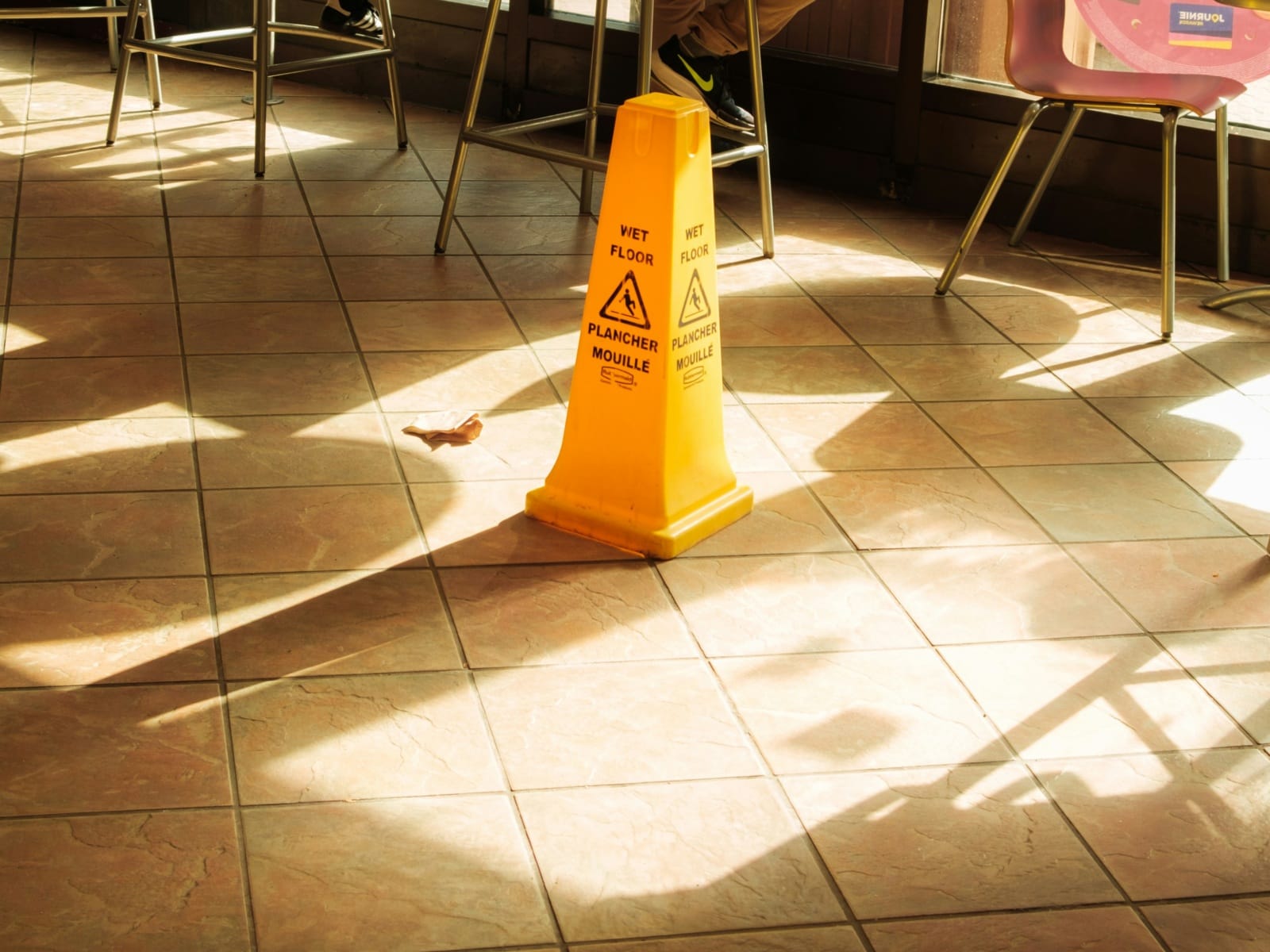
A wet floor sign does not automatically protect a store. The store may argue the hazard was open and obvious, but where the sign was placed, whether it was visible, and how long the hazard was there all matter. A sign tucked behind a display or placed after your fall may not help the store’s defense.
What if I slipped and fell at work?
Falls on the job are generally covered by workers’ compensation rather than a lawsuit against your employer. If someone other than your employer caused the fall, such as a property owner, contractor, or delivery company, you may also have a separate claim against that party.
Will I have to pay back my health insurance or Medicare from my settlement?
In many cases, health insurers and Medicare have a right to be repaid from your settlement for accident-related care they covered. These repayment claims, often called liens, can sometimes be reduced through negotiation, which can increase the amount you take home.
How long does it take to get a slip and fall settlement?
Many slip and fall claims settle within several months to a year, while cases with serious injuries or disputed fault can take longer. Recovering from your injuries, gathering records, and negotiating all affect how long a personal injury claim takes.